


What is Acupuncture?
How does Acupuncture work?
Is Acupuncture painful?
Does Acupuncture primarily affect the nervous system to relieve pain?
How many treatments will it take before I see an improvement in my condition?
Is there anything I should do or not do before or after a treatment?
Are there any side effects to the treatments?
How can I schedule an appointment?
What is Acupuncture?
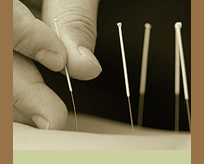
Acupuncture is a complete healthcare system used to diagnose and treat disease, prevent illness, and improve well-being. It may help address physical, psychological, and emotional problems. Acupuncture originated in China more than 5,000 years ago and, because of its effectiveness, has been embraced throughout the world.
How does Acupuncture work?
The life force (or Qi, pronounced chee) is the vital energy that keeps the body, mind, and spirit alive and functioning properly. Qi flows throughout the body, which has an innate ability to repair itself when damage or disease occurs. Disease manifests when Qi becomes weakened or unbalanced. Ancient masters traced the pathways along which Qi travels and located points where it communicates with the surface of the body. Modern science has measured increased electrical activity at these points, corroborating the locations of energetic pathways, or meridians. Points along these meridians are used in acupuncture and moxibustion therapy.
Is Acupuncture painful?
Acupuncture does not hurt like a hypodermic needle. Hypodermic needles are very thick in comparison to acupuncture needles. When acupuncture needles are inserted and manipulated, there is a sensation, often an electrical or tingling feeling, but usually not pain.
Does Acupuncture primarily affect the nervous system to relieve pain?
Since 1975, considerable evidence has suggested that acupuncture stimulates the nervous system to release enkephalins and endorphins, naturally occurring analgesic substances that reduce the sensation of pain. This may explain why acupuncture can be an effective analgesic during surgery. Some researchers have attempted to establish that acupuncture therapy primarily affects the nervous system. However, acupuncture needles are not intended to pierce specific nervous tissues. Acupuncture may influence the nervous system indirectly through chemical neurotransmitters released by the body in response to needling. More research is needed to determine whether Western medical parameters can explain the effectiveness of acupuncture therapy.
How many treatments will it take before I see an improvement in my condition?
This is a difficult question to answer because results vary from person to person. Some people notice an improvement right away. For others, it may take eight or ten treatments before they notice a difference. Every person responds differently to acupuncture. The outcome may also depend on how long the problem has existed and how severe it is.
Is there anything I should do or not do before or after a treatment?
It is important to eat some solid food so that you do not arrive for treatment feeling hungry. You should also avoid alcohol, excessive amounts of caffeinated beverages (coffee, tea, and soda), and heavy meals before treatment. After treatment, try to avoid anything very hot or cold and extreme shifts in body temperature, such as steam baths and cold plunges. Plan a relaxing evening. You may shower or bathe before treatment, but do not bathe immediately afterward.
Are there any side effects to the treatments?
As energy is released in the body, internal chemicals and hormones are stimulated, and healing begins to take place. Occasionally, the original symptoms may worsen for a few days, or patients may notice changes in appetite, sleep, bowel or urination patterns, or emotional state. These changes should not cause concern, as they may indicate that the body is responding to acupuncture.
After the first one or two treatments, it is quite common to experience deep relaxation or even mild disorientation. These sensations pass within a short time and usually require nothing more than a little rest.
How can I schedule an appointment?
Please visit the contact page for hours and contact information.