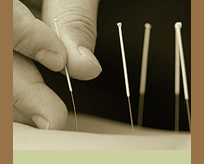

Acupuncture is a system that can influence three areas of healthcare:
- promotion of health and well-being
- prevention of illness
- treatment of various health imbalances
Although acupuncture is often associated with pain control, it has much broader applications in the hands of a well-trained practitioner.
The World Health Organization recognizes the use of acupuncture in treating a wide range of medical problems, including:
Digestive: gastritis and hyperacidity, spastic colon, constipation, and diarrhea.
Respiratory: sinusitis, sore throat, bronchitis, asthma, allergies, and recurrent upper respiratory infections.
Neurological and muscular: headaches, migraines, facial tics, neck pain, rib neuritis, frozen shoulder, tennis elbow, various forms of tendonitis, lower-back pain, sciatica, and osteoarthritis.

Psychological: depression, anxiety, stress, and insomnia.
Gynecological: infertility, painful or irregular menstruation, PMS, and dysfunctional uterine bleeding.
Other: smoking or alcohol dependence and weight control.
Acupuncture may also be useful for physical problems related to tension, stress, and emotional conditions.